The Truth About Planter Materials and Root Temperature

Most planter advice stops at looks and drainage. But a container is also a thermal box wrapped around a root system, and the material and color you choose change how hot and how cold that root zone gets. In the ground, roots sit inside an enormous mass of soil that barely changes temperature from morning to afternoon. In a pot, they do not have that luxury.
Why a pot heats up and the ground does not
Soil in the earth is buffered. There is so much of it that a day of sun barely moves the temperature a few inches down. A container has thin walls exposed to air and sunlight on every side, so heat enters from the sides as well as the top. The smaller the pot, the faster it swings.
Color is the biggest single lever you control. Dark surfaces absorb more solar energy than light ones and convert it to heat. Illinois Extension puts it directly: dark colored containers exposed to the intense summer sun can get hot, that heat transfers to the soil, and if it gets too warm, roots are damaged and the potting media will dry out very quickly.
University of Maryland Extension makes the same point about growth, noting that dark container colors can raise potting mix temperatures, potentially injuring tender roots and preventing the full development of a plant's root system. That last part matters. You may never see visible damage, and still end up with a plant that quietly underperforms all season because its roots keep retreating from the hot outer wall.
What overheated roots actually look like
Heat stress in the root zone rarely announces itself. What you notice instead is a plant that wilts in the afternoon even though the soil is damp, growth that stalls in midsummer, leaf edges that brown, or a plant that dries out impossibly fast. When you finally repot it, the roots on the sunny side of the pot are brown and sparse while the center still looks fine.
Roots are also less tough than the parts of the plant you can see. They have no bark, no dormancy, and no protective outer layer, so they take damage at temperatures the foliage would shrug off.
Material matters, but mostly through moisture
- Unglazed terracotta and clay. Porous walls let water evaporate outward, and that evaporation cools the pot, much as sweat cools skin. The tradeoff, as Illinois Extension notes, is that porous containers lose water faster than non porous ones, so you water more often.
- Plastic and resin. Non porous, so no evaporative cooling. A thin black nursery pot in full sun is the worst case: it absorbs heat, holds it, and has no moisture escaping to carry it away.
- Glazed ceramic. Sealed like plastic, but usually thicker and heavier, which slows temperature swings in both directions.
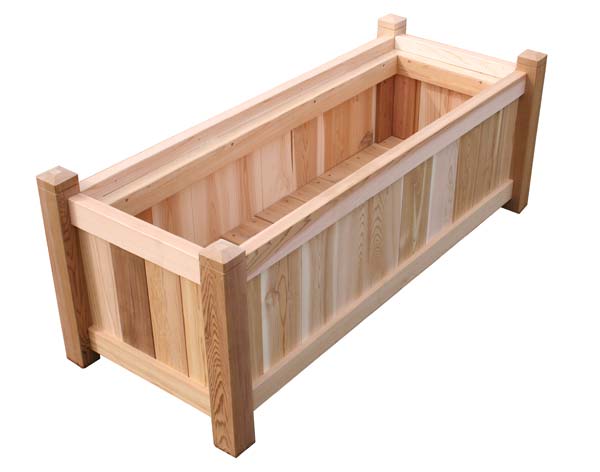
- Concrete and thick wood. The best insulators of the common options. Mass is your friend; a thick wall takes hours to warm through.
- Metal. Conducts heat readily and offers almost no insulation, so the root zone tracks the air and sun closely.
Keeping roots cool in a hot climate
- Go light in color. The cheapest fix available, and it costs nothing if you choose correctly at purchase.
- Go bigger. More soil volume means more thermal mass and a slower, smaller swing.
- Double pot. Set a plain nursery pot inside a larger decorative one. The air gap between them is genuine insulation, and the outer pot shades the inner.
- Shade the container, not just the plant. Trailing plants spilling over the rim, a low neighbor pot, or a bit of shade cloth all work. Maryland Extension suggests covering plants in a sunny location with shade cloth in summer to reduce their heat stress.
- Mulch the surface. An inch of bark or gravel slows evaporation and keeps the top layer cooler.
- Get pots off hot hardscape. A dark patio or a wall reradiates a surprising amount of heat upward and sideways into the container.
The cold side of the same problem
The lack of buffering cuts both ways. UMass Extension is explicit that roots are much less cold hardy than shoots and, unlike field grown plants, the roots of container grown plants are not buffered from cold temperatures by the soil. A perennial rated for your zone is rated for its roots sitting in the ground, not in a pot on a windy deck.
In cold regions, the same properties reverse their value. Mass and thickness help. A dark pot in early spring is mildly useful, warming the mix and nudging growth along before the summer sun becomes the problem instead.
Choosing for where you live
Hot, sunny climate: light colored, large, thick walled, and either terracotta for evaporative cooling or a double potted arrangement. Cold climate: thick walled and frost tolerant, with a plan to insulate or shelter through winter. Mild or mostly shaded spot: pick whatever you like the look of, because the thermal penalty is small.
Match the pot to your conditions rather than to a rule, and your roots will spend the season somewhere comfortable.
Shopping for plants this weekend?
Our directory lists plant nurseries and garden centers across the US with each one's address, phone, and website, so you can buy from real local growers.
Find a nursery near you

