Do Pot Feet and Saucers Actually Help Your Plants?

Pot feet and saucers get sold together and talked about together, but they do opposite things. One lifts a pot so water can leave. The other catches water so it stays put. Knowing which is which will save you a lot of guessing.
What pot feet actually do
A pot sitting flat on a hard surface can seal itself down. Soil, algae, and mineral residue build up under the rim, and the drainage hole ends up pressed against a puddle of its own runoff. Water then leaves slowly or not at all, which defeats the point of having a hole.
Pot feet, or bricks, tiles, or bottle caps, break that seal. Lifting a container even half an inch lets water fall clear, lets air circulate under the base, and lets the bottom of the pot dry between waterings. That matters because free drainage is what keeps oxygen in the soil. Illinois Extension puts the principle plainly: a hole at the bottom of the container is critical, because it allows water in the soil to drain freely so adequate air is available for the roots. A blocked hole is functionally the same as no hole.
Feet earn their keep outdoors in particular. They keep pots off cold wet paving, discourage slugs and ants from setting up under the rim, and reduce the staining that terracotta leaves on stone. In freezing climates they also help pots avoid sitting in ice.
What saucers actually do
A saucer catches runoff. That is a service to your flooring, not to your plant. Left alone, a full saucer keeps the bottom inch of the root ball permanently saturated, and saturated mix holds no air. Illinois Extension notes that when a pot is much too large or too wet, soil tends to stay wet longer and root rot is more likely, and a standing saucer creates that same condition from below.
There is a time limit worth memorizing. Virginia Cooperative Extension advises that if your container is in a drainage tray, do not keep it in water for more than 60 minutes. That hour is enough for the mix to reabsorb what it needs by capillary action, and short enough that roots are not left gasping.
How to use both together
The best setup is a saucer for floor protection with something inside it holding the pot above the water line. Pot feet, a small trivet, or a layer of pebbles all work. The pot drains freely, the runoff lands in the saucer, and the root ball never sits in it.
There is a small bonus to the pebble version. Illinois Extension notes that damp gravel placed in a saucer underneath the pot, as opposed to inside it, may increase humidity as the water evaporates. That is a genuinely useful side effect for ferns, calatheas, and other humidity lovers in dry heated rooms. Just make sure the base of the pot rests on the pebbles and not in the water.
Emptying: when and how often
- Within an hour of watering, tip out whatever is left. For small pots, lift and pour. For large ones, use a turkey baster or a sponge.
- Check again the next day for heavy pots you watered generously, since slow draining mixes keep releasing for hours.
- Clean saucers every month or two. Mineral crust and algae build up quickly, and the film that forms is a decent home for fungus gnat larvae.
- Outdoors, skip saucers entirely unless you need them. Rain fills them repeatedly, and standing water in a saucer is a known mosquito breeding site.
Protecting floors and furniture
Water damage from plants is usually slow and invisible until it is not. A ceramic saucer that looks solid can still be porous enough to leave a ring on wood. Cork or felt pads between the saucer and the surface solve that, as does a waterproof tray with a raised lip under a group of pots. On carpet, put a hard waterproof mat under everything, because carpet wicks moisture outward and dries slowly.
For very large floor plants, the practical answer is a plastic saucer with pot feet inside, then a decorative outer pot hiding the whole assembly. You get clean drainage, no standing water, and no visible plastic.
Cheap alternatives that work just as well
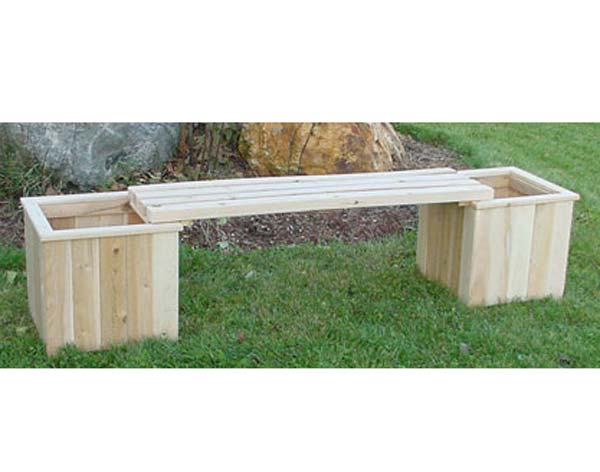
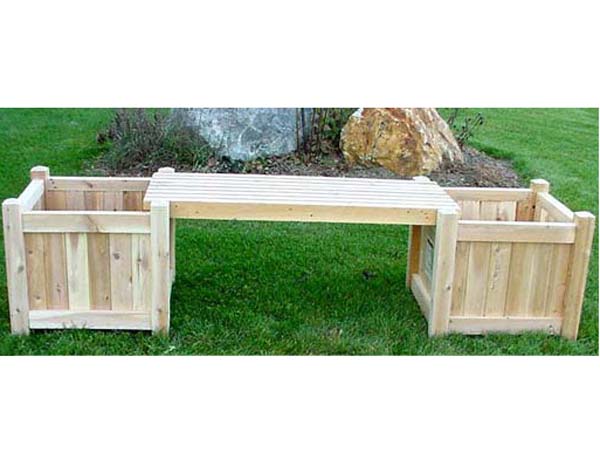
You do not need to buy purpose made hardware. Wine corks cut in half, spare ceramic tiles, small stones, upside down jar lids, and offcuts of cedar all lift a pot perfectly well. For saucers, plastic plant trays, old dinner plates, and shallow food containers do the job. The only requirements are that the material tolerates constant moisture, does not stain your floor, and sits stable under the weight of a fully watered pot.
Shopping for plants this weekend?
Our directory lists plant nurseries and garden centers across the US with each one's address, phone, and website, so you can buy from real local growers.
Find a nursery near you

